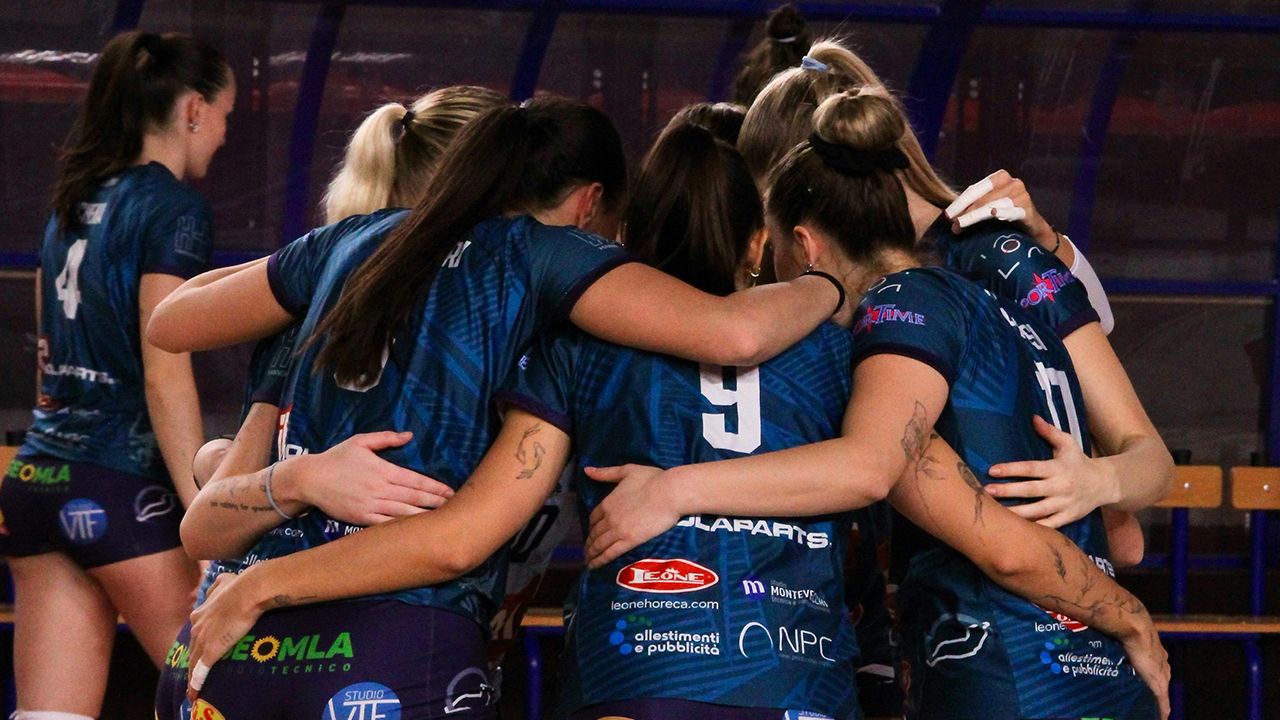
We often picture athletes as lone warriors—grinding in silence, head down, doing it all themselves. But no one performs in a vacuum. Connection isn’t just nice to have. It’s performance-critical.
Why connection matters
Humans are wired to regulate through relationships. When you feel connected—to ...
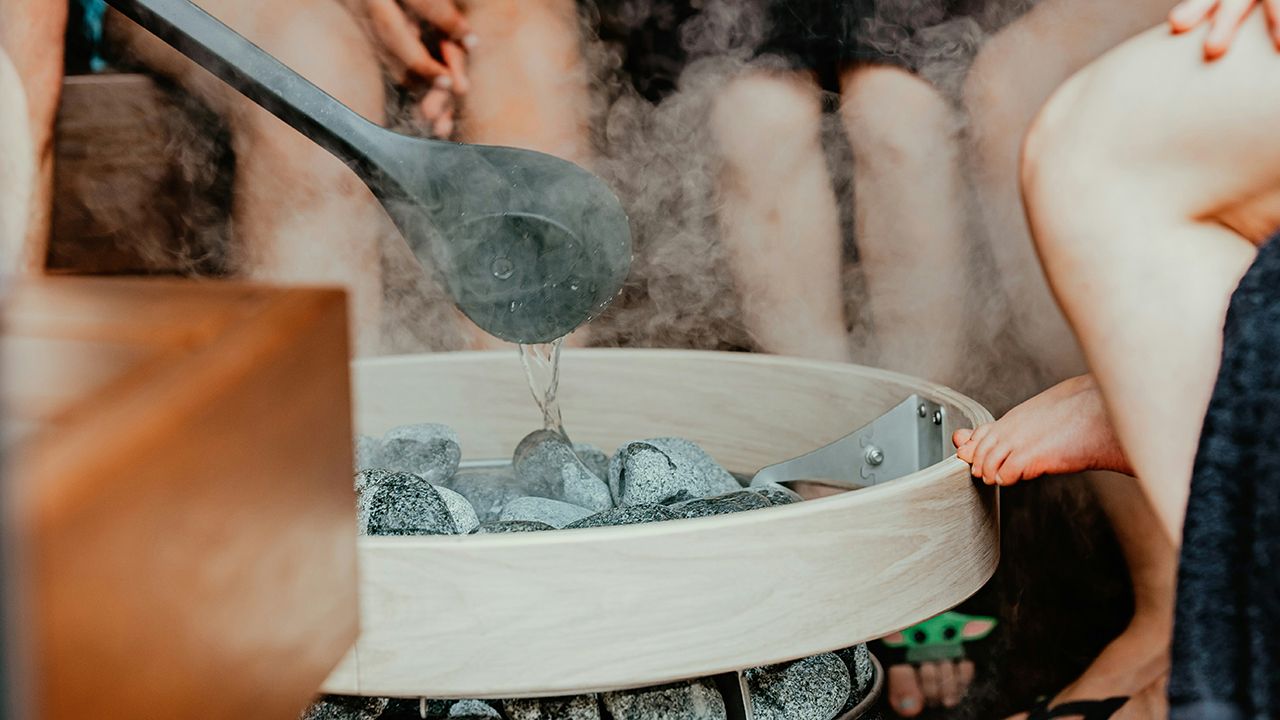
Most athletes focus on training. Fewer give recovery the same discipline. Yet recovery is where adaptation happens. Without it, progress stalls and injuries rise.
But recovery isn’t just ice baths and foam rollers. It’s also psychological.
Why recovery matters
Your nervous system has two gears: f...
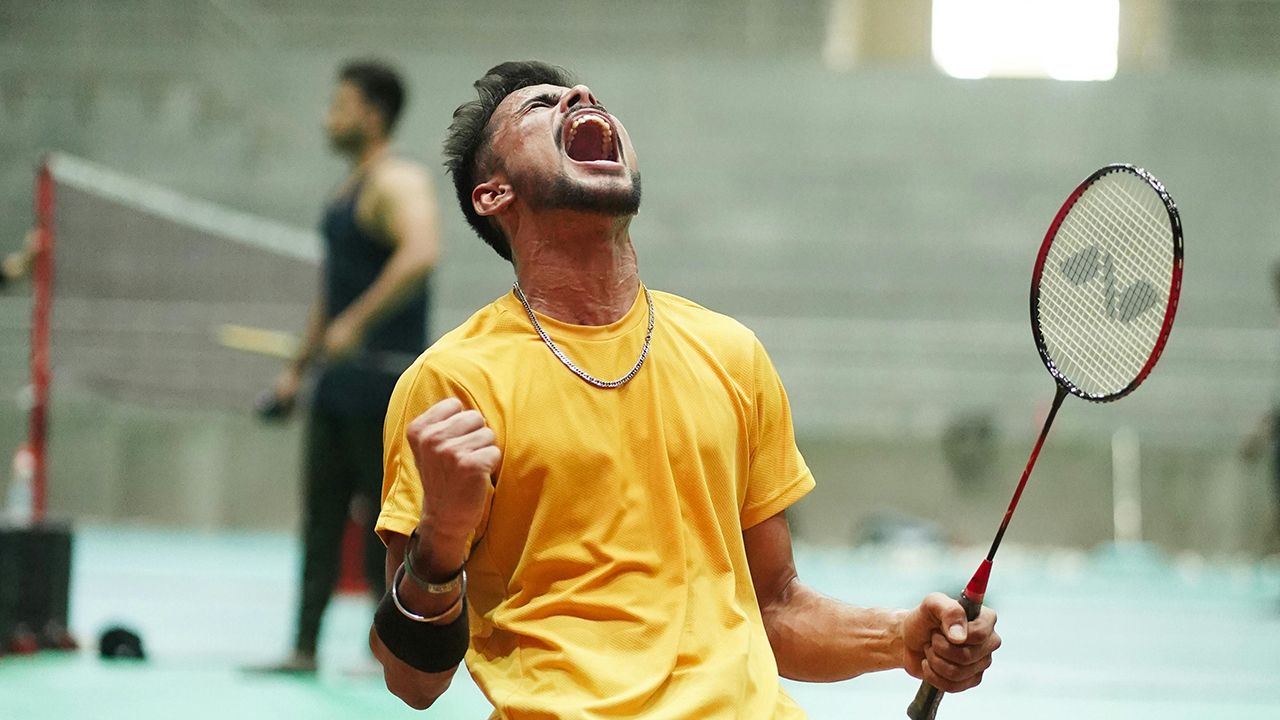
In sport, emotions get a bad rap.
How many times have you heard: “Don’t get nervous. Don’t get angry. Keep it together.”
It sounds like good advice, but it’s actually impossible. You can’t stop emotions from showing up. You’re human. You have a nervous system built to respond to challenge with emo...
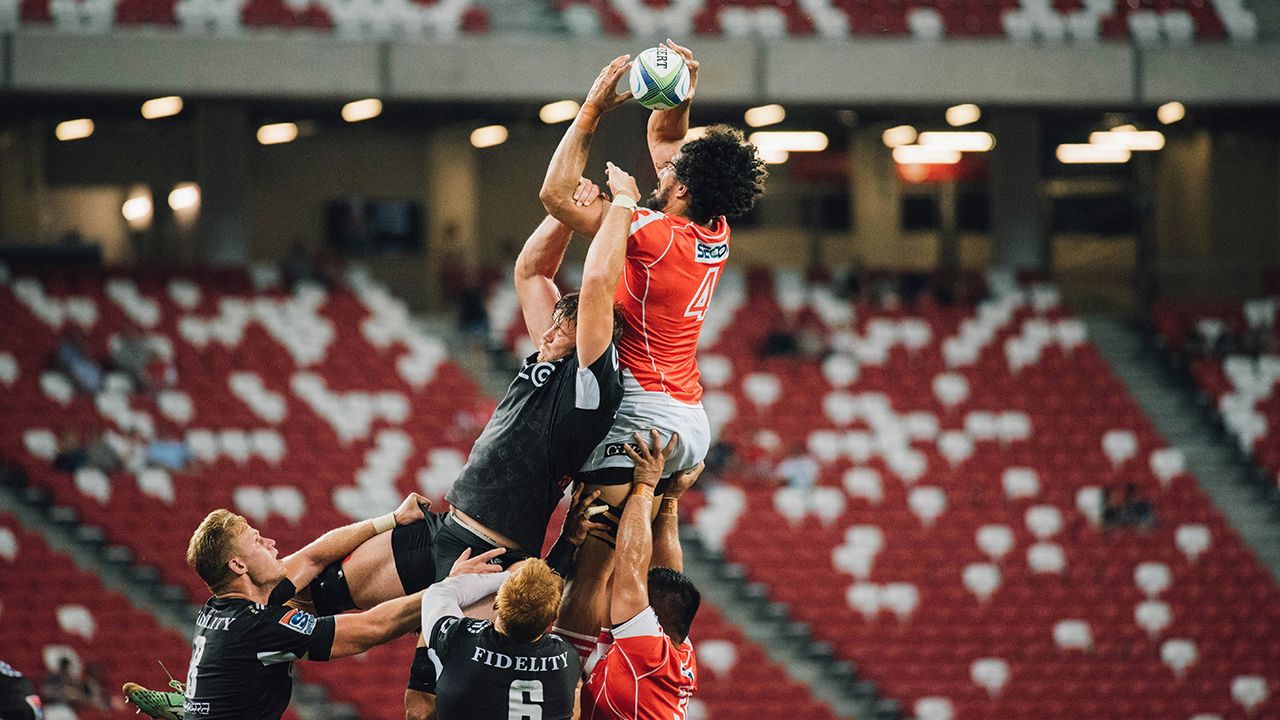
Pressure is the great amplifier. It doesn’t create weakness—it reveals it.
Every athlete knows the feeling: heart racing, tunnel vision, the sense that everything is on the line. For some, that’s when performance collapses. For others, that’s when performance sharpens.
The difference isn’t who fee...
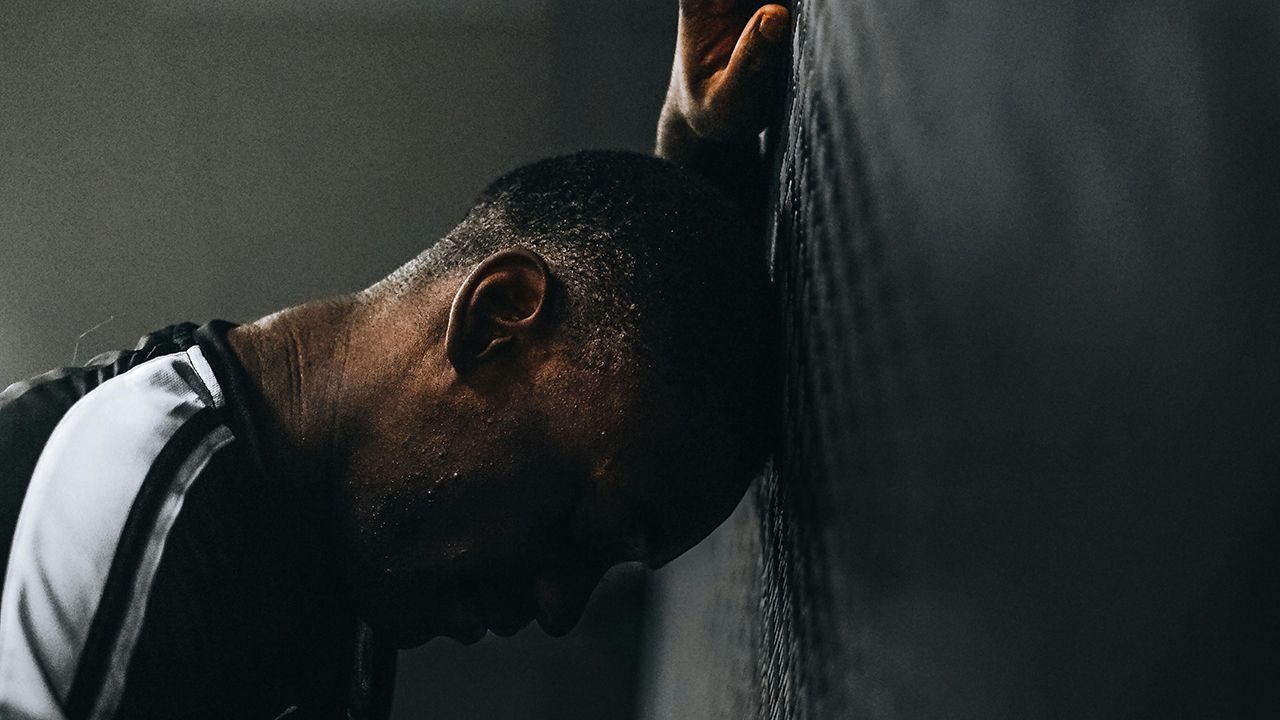
Ask most athletes what drives them, and many will say: “I’m hard on myself. That’s how I improve.”
Self-criticism masquerades as discipline. It looks like motivation. But over time, it corrodes.
The illusion of control
That inner critic promises, “If I whip myself hard enough, I’ll never slack of...
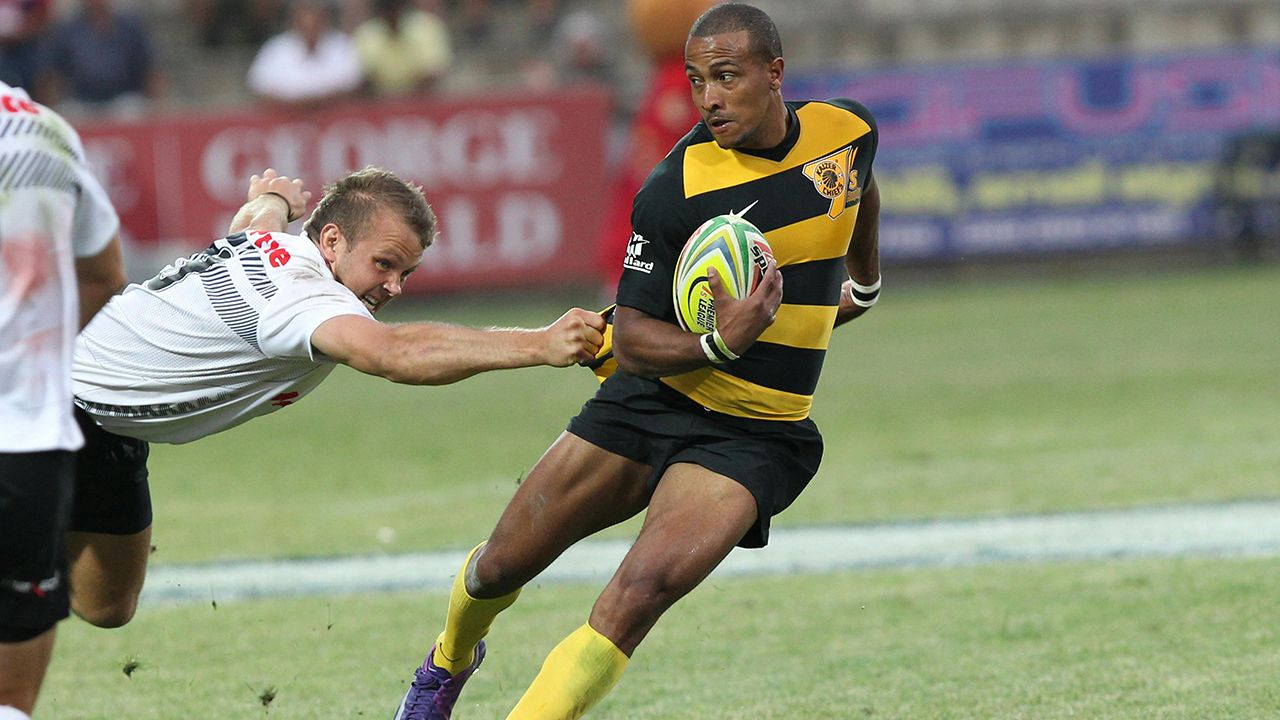
Every athlete avoids. Sometimes it’s obvious: dodging training sessions, skipping recovery work. Sometimes it’s subtle: steering away from a certain competitor, holding back at a crucial moment, or distracting yourself so you don’t feel nerves.
Avoidance feels good in the short term. It gives relie...
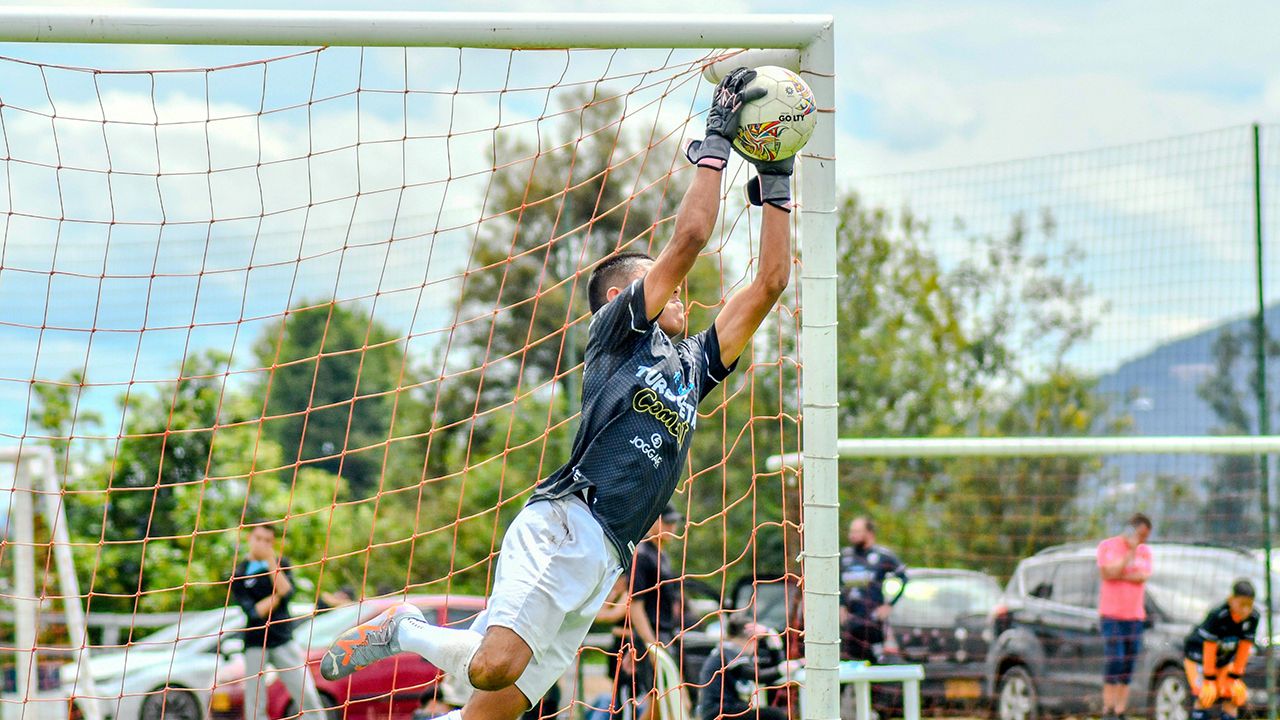
Goals are everywhere in sport: sub-3 marathon, national selection, personal bests. Goals can motivate, focus, and drive improvement. But goals have a dark side: they can fail you.
Injury, bad weather, politics in selection—sometimes the goal is taken off the table, no matter how hard you worked. If...

Every athlete knows pain—physical, emotional, or both. The instinct is to fight it: push it away, distract yourself, tell yourself it shouldn’t be there.
But fighting pain often makes it worse. The energy spent resisting leaves less for performance.
The paradox of resistance
When you tell yoursel...

Athletes love rituals. The same socks, the same playlist, the same warm-up order. I’ve seen entire teams get thrown off because their bus arrived late and they couldn’t follow their routine to the letter.
Here’s the thing: routines aren’t about magic. They’re not lucky charms. They’re anchors.
The...
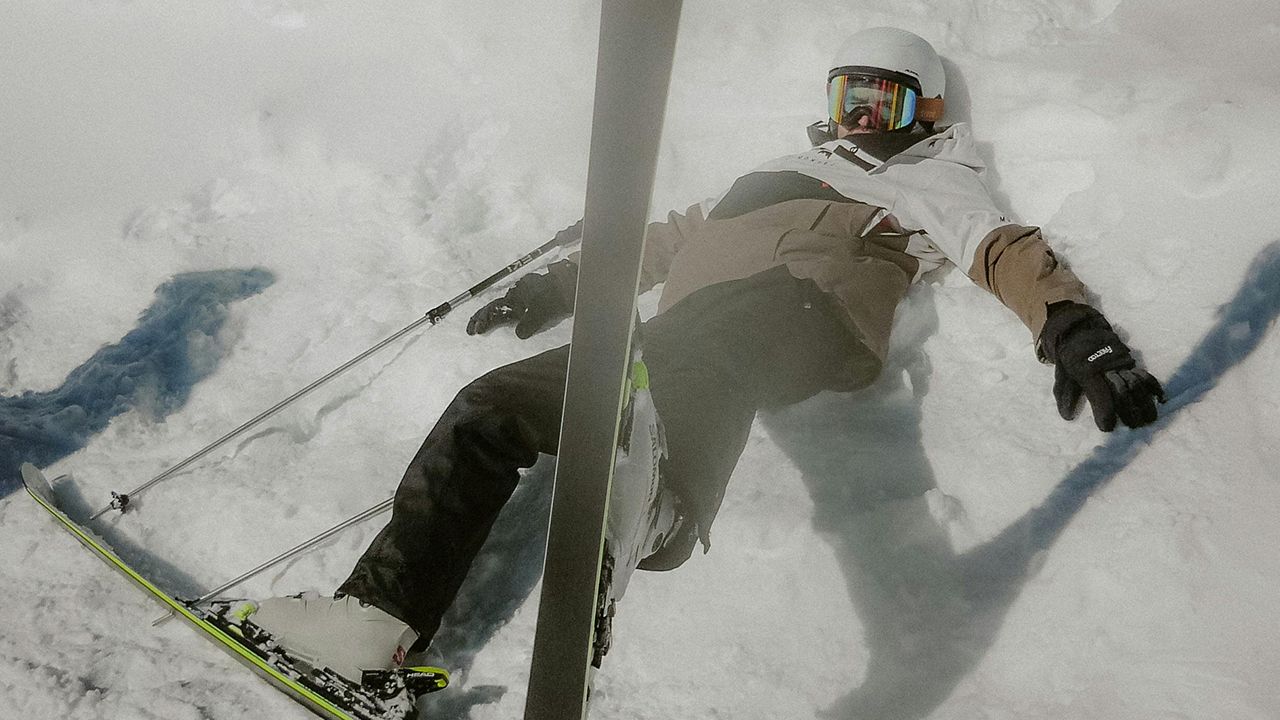
Every athlete knows the boom-bust cycle.
It goes like this:
- You feel good.
- You push harder.
- You crash—injury, fatigue, burnout.
- You rest too long.
- You start again from scratch.
And the cycle repeats.
The psychology behind it
At the core is rigidity. If I feel good, I must push. If I res...
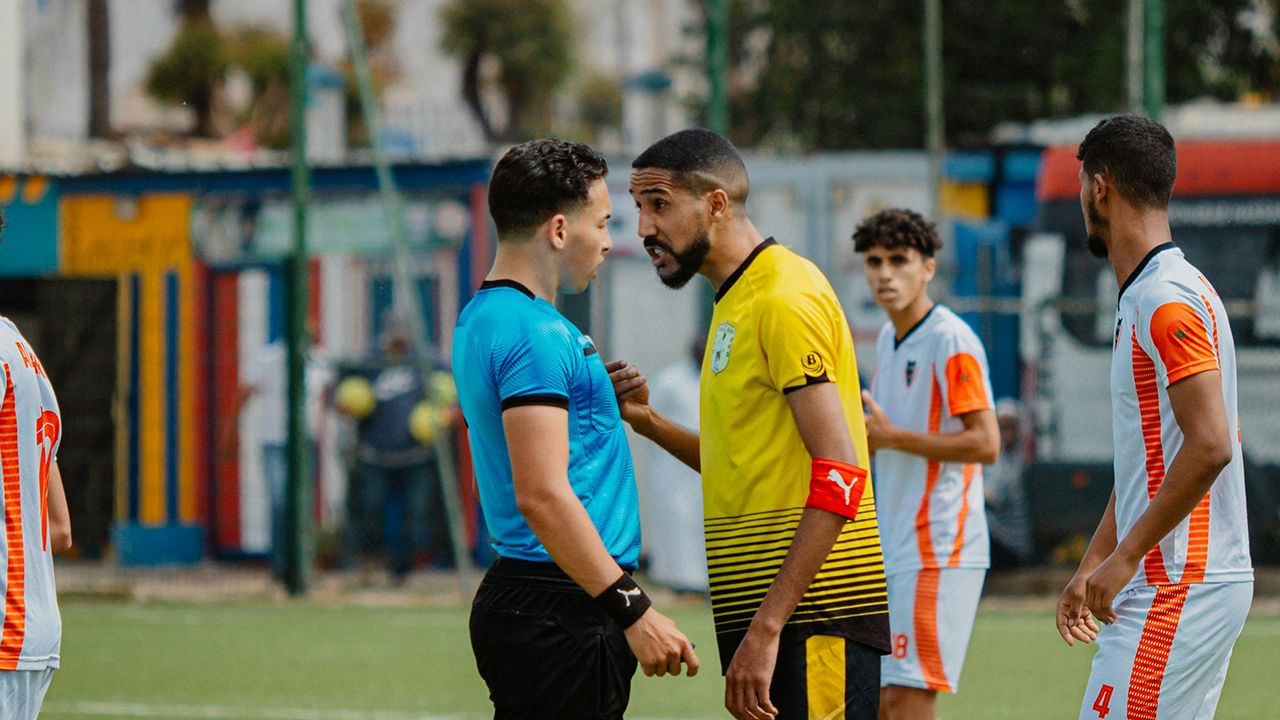
Whether you agree with the AFL tribunal decision or not, one thing is clear: Zak Butters' outburst in the heat of the moment was never going to have a positive outcome. Whatever the provocation, whatever the frustration, the moment those words left his mouth, the situation was already beyond his con...

Athletes are told constantly: “Just be positive.” Coaches mean well. Parents mean well. But let’s be blunt: positive thinking is one of the least helpful pieces of advice in sport.
Why? Because brains don’t obey slogans. If your mind says, “Don’t choke,” or “You’re going to blow it,” you can’t just...
The information on this website is provided for general educational purposes only. It is not intended to replace professional medical, psychological, or clinical advice, diagnosis, or treatment. The information contained on this website should not be relied upon as a substitute for consultation with a qualified health professional. If you have concerns about your mental health or believe you may benefit from individual clinical support, please seek advice from a registered health practitioner or appropriately qualified professional. For more information, please visit the terms & conditions page.