The Boom-Bust Cycle: Why Pain and Fatigue Break Athletes
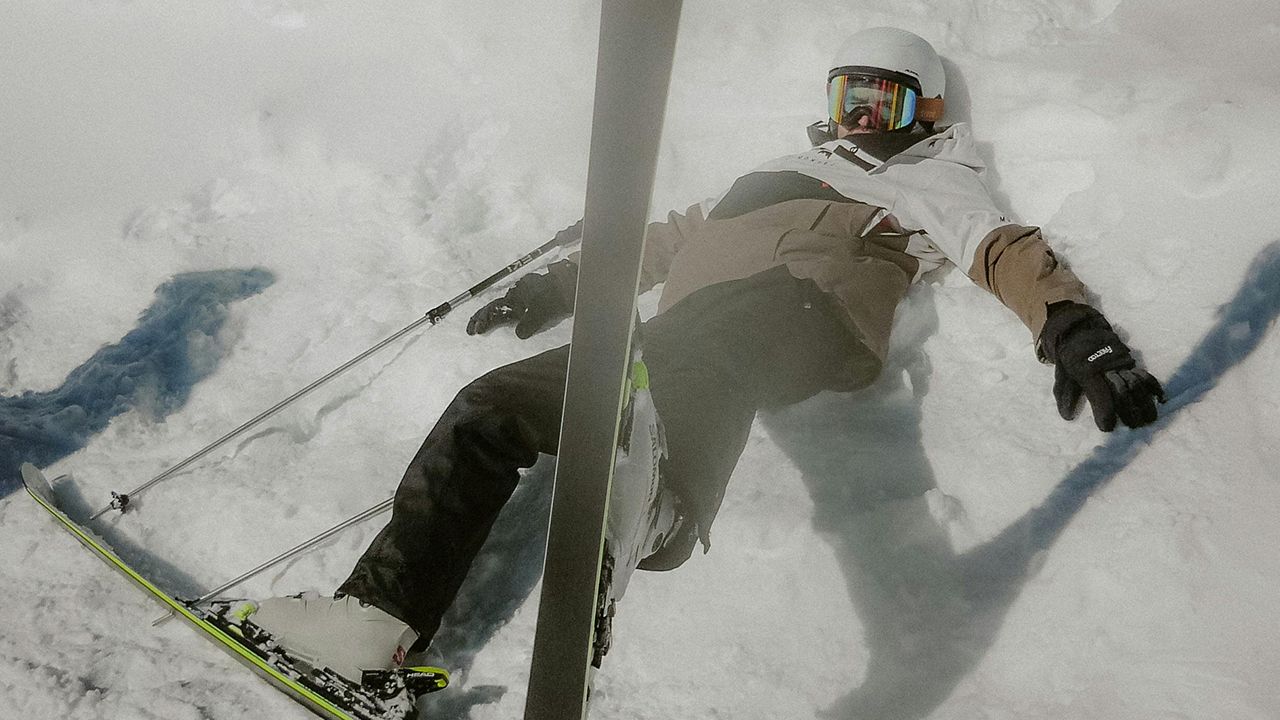
Every athlete knows the boom-bust cycle.
It goes like this:
- You feel good.
- You push harder.
- You crash—injury, fatigue, burnout.
- You rest too long.
- You start again from scratch.
And the cycle repeats.
The psychology behind it
At the core is rigidity. If I feel good, I must push. If I rest, I’m weak.
ACT helps us break the cycle by contacting the present moment. That means learning to tune into early signals: the niggle in your calf, the heavy mood before training. Instead of ignoring or pushing past, you pause and notice.
Schema therapy shines light on the “demanding parent” mode: the inner coach who never lets up. That voice often sounds like: “You’re lazy if you don’t push harder. You’ll fall behind.” Left unchecked, it drives the body past its limits.
IPNB adds the body piece. Your nervous system isn’t designed for constant red-zone output. Without enough recovery and down-regulation, the brain interprets ongoing stress as threat. That amplifies fatigue, pain, even immune vulnerability.
Flexibility as the antidote
The athlete who learns flexibility doesn’t just hammer when they feel good. They can slow down when the urge is to speed up. They can rest without guilt. They can shift gears instead of snapping the chain.
This isn’t weakness—it’s wisdom. Because the athlete who flexes is the one who lasts.
The boom-bust cycle isn’t inevitable. It’s a pattern. And patterns can be broken when you learn to notice, name, and choose differently.
Found this article helpful? Don't miss the next one!
Join our mailing list to receive the latest tips and guides to achieving peak performance.