When Self-Criticism Masquerades as Motivation
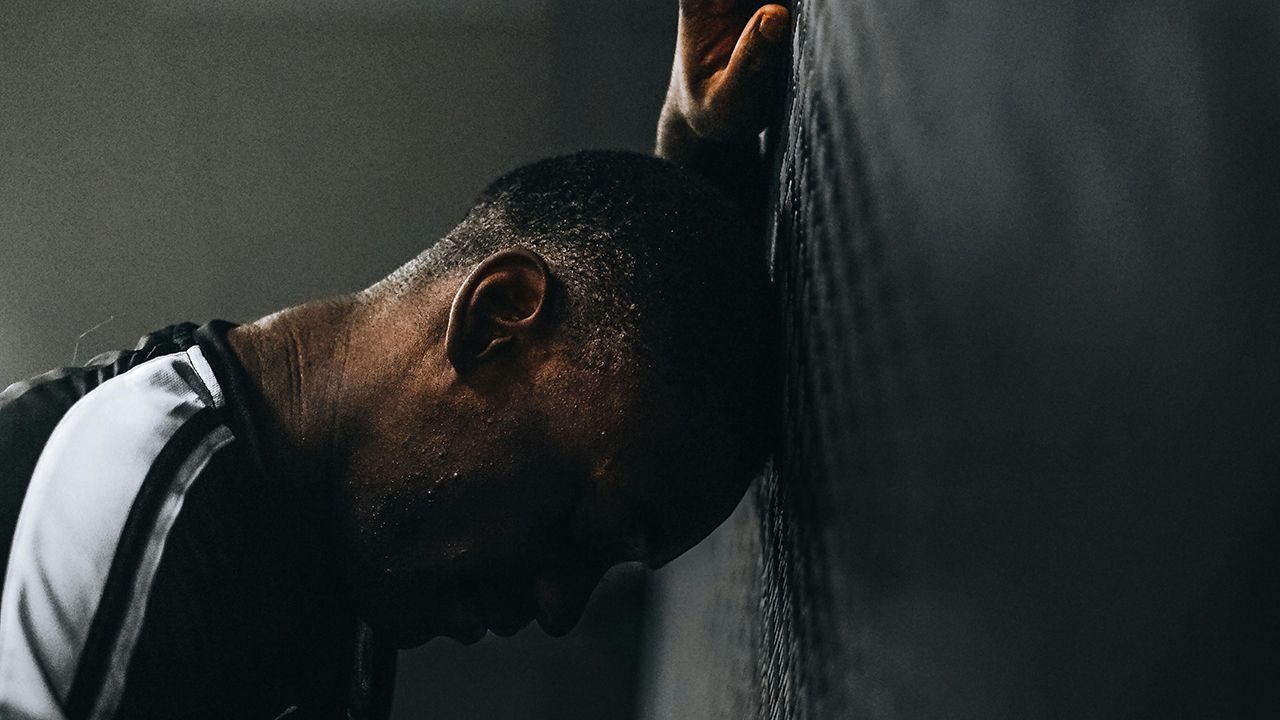
Ask most athletes what drives them, and many will say: “I’m hard on myself. That’s how I improve.”
Self-criticism masquerades as discipline. It looks like motivation. But over time, it corrodes.
The illusion of control
That inner critic promises, “If I whip myself hard enough, I’ll never slack off.” But the reality is, constant self-criticism drains energy, lowers confidence, and eventually makes you play not to fail, rather than to succeed.
What psychology shows
- ACT: Thoughts like “I’m pathetic if I don’t win” aren’t facts—they’re mental events. Defusion helps you step back: “I’m noticing my mind serving up a harsh story.” That opens room to choose differently.
- Schema therapy: The “unrelenting standards” schema or the “punitive parent” mode are classic here. These are deep-rooted beliefs that worth only comes through perfection, or that mistakes deserve punishment. Athletes may achieve a lot under this voice—but it’s fragile achievement.
- Brain science: Self-criticism lights up threat networks. When the nervous system perceives attack—even from yourself—it releases stress hormones and narrows focus. That might give a temporary spike, but chronic activation undermines recovery, creativity, and flow.
The alternative: self-compassion
Self-compassion isn’t softness. It’s recognising you’re human and choosing responses that support growth. The athlete who can say, “That was rough, but I’m still committed to learning,” rebounds faster and sustains longer.
A practice shift
Try this after a mistake:
- Notice the critic. What words does it use?
- Ask whose voice that is. A parent? A coach? Your younger self?
- Redirect to values. “What matters now is persistence. I’ll carry the sting, but keep acting.”
The best athletes don’t silence their critic—they learn not to be led by it.
Found this article helpful? Don't miss the next one!
Join our mailing list to receive the latest tips and guides to achieving peak performance.