The Hidden Cost of Avoidance in Sport
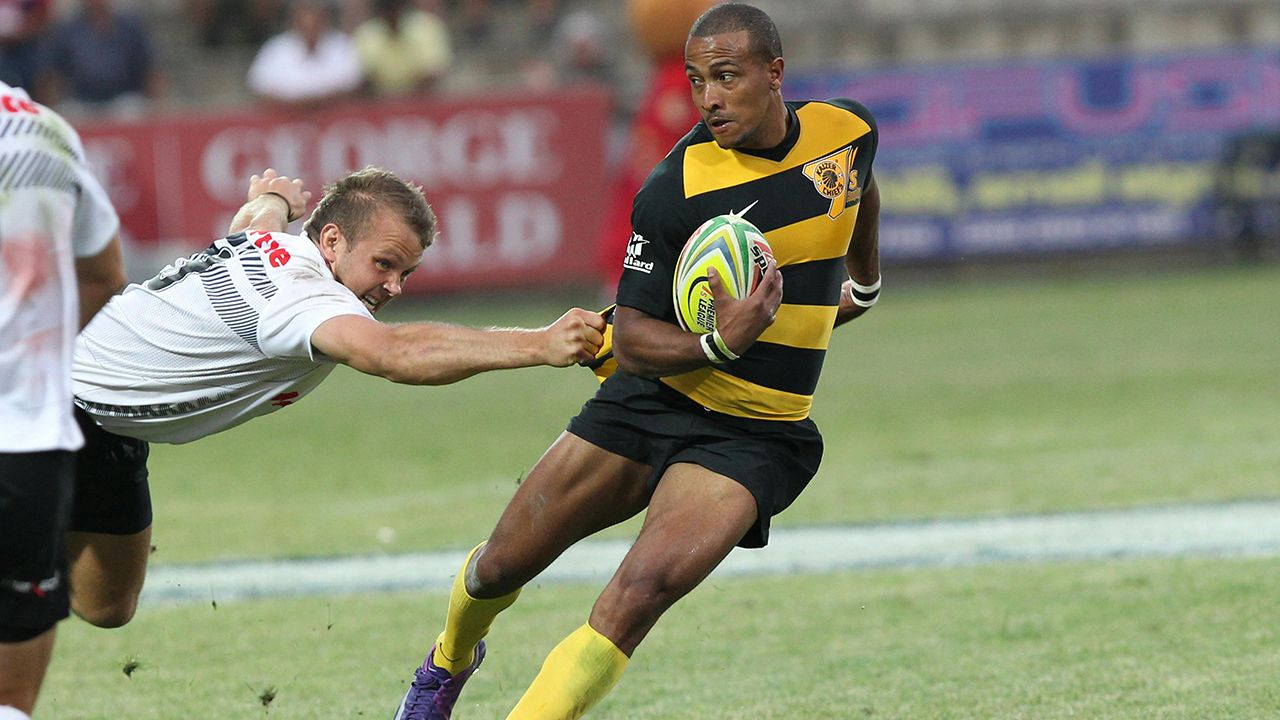
Every athlete avoids. Sometimes it’s obvious: dodging training sessions, skipping recovery work. Sometimes it’s subtle: steering away from a certain competitor, holding back at a crucial moment, or distracting yourself so you don’t feel nerves.
Avoidance feels good in the short term. It gives relief. But in the long term, it narrows your world.
The short-term trap
When nerves hit, pulling away feels like control. You silence the discomfort for a moment. The problem is, your brain learns: “The only way to cope is to avoid.” Before long, anything that triggers discomfort becomes a threat.
That’s the paradox. Avoidance solves nothing—it amplifies everything.
How psychology explains it
- ACT: At the heart of psychological flexibility is learning to turn toward discomfort. Thoughts, feelings, and sensations are not enemies. They’re data. Avoidance is the opposite—it fuses you to the idea that fear or pain must be eliminated before you can act.
- Schema therapy: Avoidance is often tied to old patterns. For example, a “failure” schema can drive athletes to avoid situations where they might look bad. Or a “vulnerability” schema can make risk feel unbearable. These stories keep athletes in shrinking boxes.
- Brain science: Avoidance is wired into survival systems. Your nervous system tags discomfort as danger and activates fight/flight. That’s natural—but it’s not always helpful in performance. The more you avoid, the more reactive those circuits become.
A better approach
- Notice avoidance. What do you dodge when pressure rises?
- Name the cost. What opportunities do you lose by staying comfortable?
- Choose values over relief. It’s not about forcing pain—it’s about not letting pain dictate your path.
Avoidance feels like safety. But it robs you of growth. Flexibility means showing up anyway.
Found this article helpful? Don't miss the next one!
Join our mailing list to receive the latest tips and guides to achieving peak performance.