Presence Under Pressure
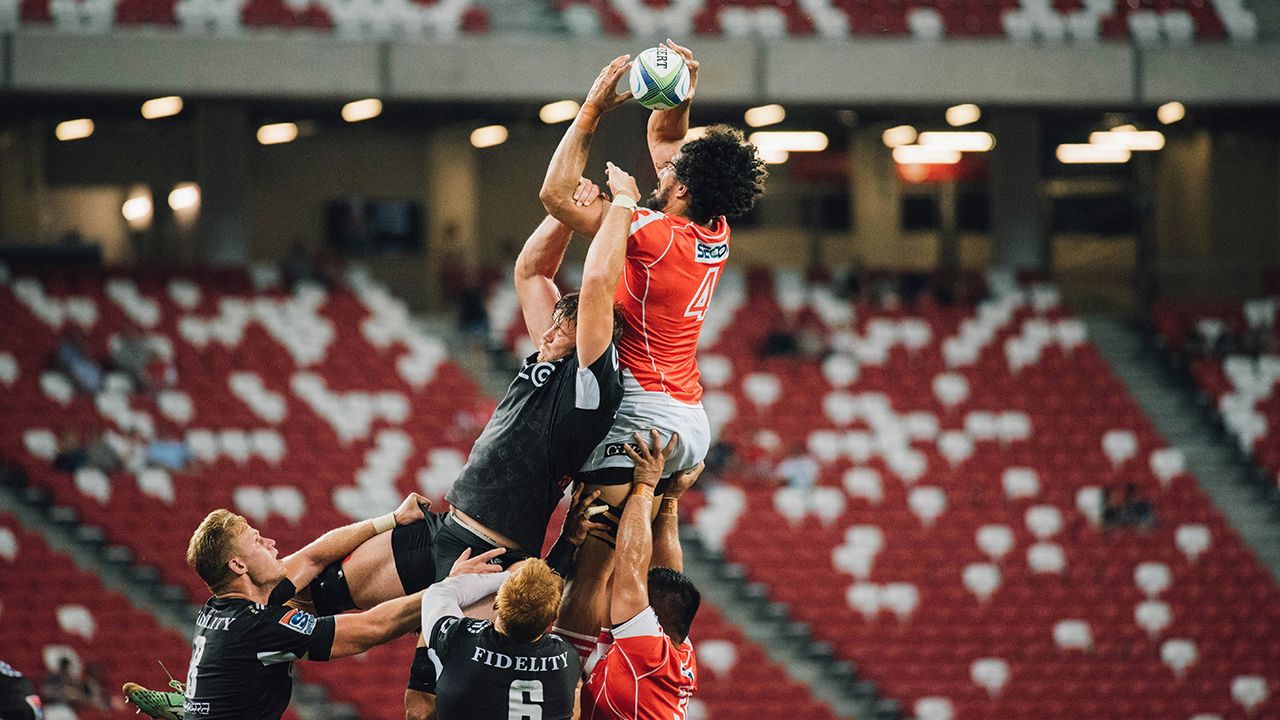
Pressure is the great amplifier. It doesn’t create weakness—it reveals it.
Every athlete knows the feeling: heart racing, tunnel vision, the sense that everything is on the line. For some, that’s when performance collapses. For others, that’s when performance sharpens.
The difference isn’t who feels pressure. It’s who can stay present within it.
Why presence matters
When you’re present, you see the next play, the next breath, the next decision. When you’re absent—lost in past mistakes or future fears—you’re not really there. Performance is always in the present tense.
The psychological angle
- ACT: Presence is one of the six pillars of flexibility. Contact with the moment means anchoring attention to what’s actually happening, rather than what your mind predicts or remembers.
- Schema therapy: Under pressure, old schemas flare. A “defectiveness” schema whispers: “You’ll embarrass yourself.” A “failure” schema says: “This is proof you can’t cut it.” Without awareness, those stories pull you out of the moment.
- Brain science: Under threat, the nervous system shifts into survival mode—fast heart rate, shallow breath, narrowed focus. That’s useful if you’re running from danger, but it can sabotage fine motor skills, decision-making, and flow.
How to train presence
- Use breath as anchor. Slow, steady breathing cues safety to the nervous system.
- Name what’s here. “Crowd noise. My hands are sweaty. The ball is in front of me.” Label reality instead of getting pulled into story.
- Link to values. Presence is easier when it’s grounded in identity. “I want to be an athlete who plays with courage. Courage lives in this moment, not the next.”
A simple reminder
Pressure isn’t the enemy. Disconnection is. The more you can stay anchored in now, the more pressure sharpens instead of crushes.
Found this article helpful? Don't miss the next one!
Join our mailing list to receive the latest tips and guides to achieving peak performance.