Sport seduces athletes into chasing the short-term: the next PB, the next comp, the next medal. But a career isn’t one season. It’s decades of cycles, setbacks, rebuilds, and renewals.
Why short-term thinking hurts
When athletes over-focus on immediate results, they take risks their bodies can’t s...

Sport is full of unknowns: injury risk, selection politics, weather, form swings. Many athletes crave control. But uncertainty is the rule, not the exception.
Why uncertainty bites
The brain hates unpredictability. It equates unknowns with danger. That’s why uncertainty spikes anxiety and spirals ...
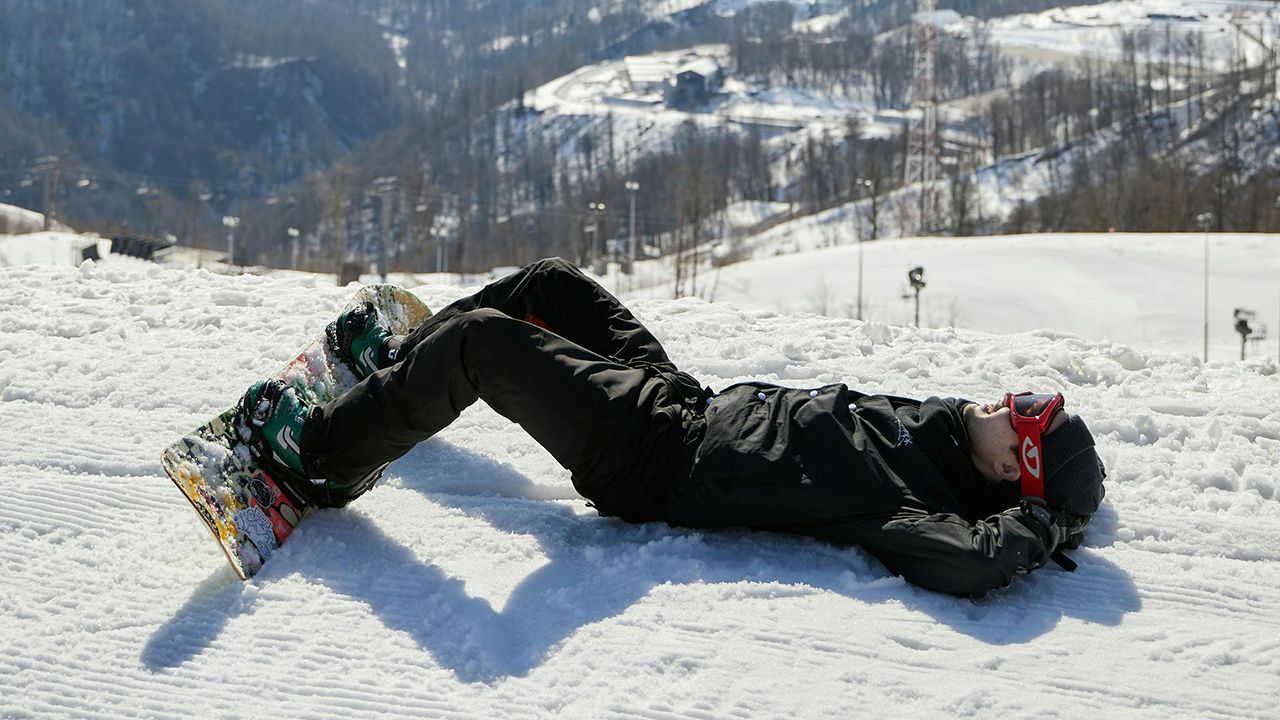
Athletes love to work. Rest? Not so much. For many, rest feels like weakness, laziness, or falling behind. Yet rest is one of the most disciplined choices you can make.
Why rest feels hard
The mind tells stories: “You’re soft if you stop.” “Others are training harder.” Those thoughts can drive end...
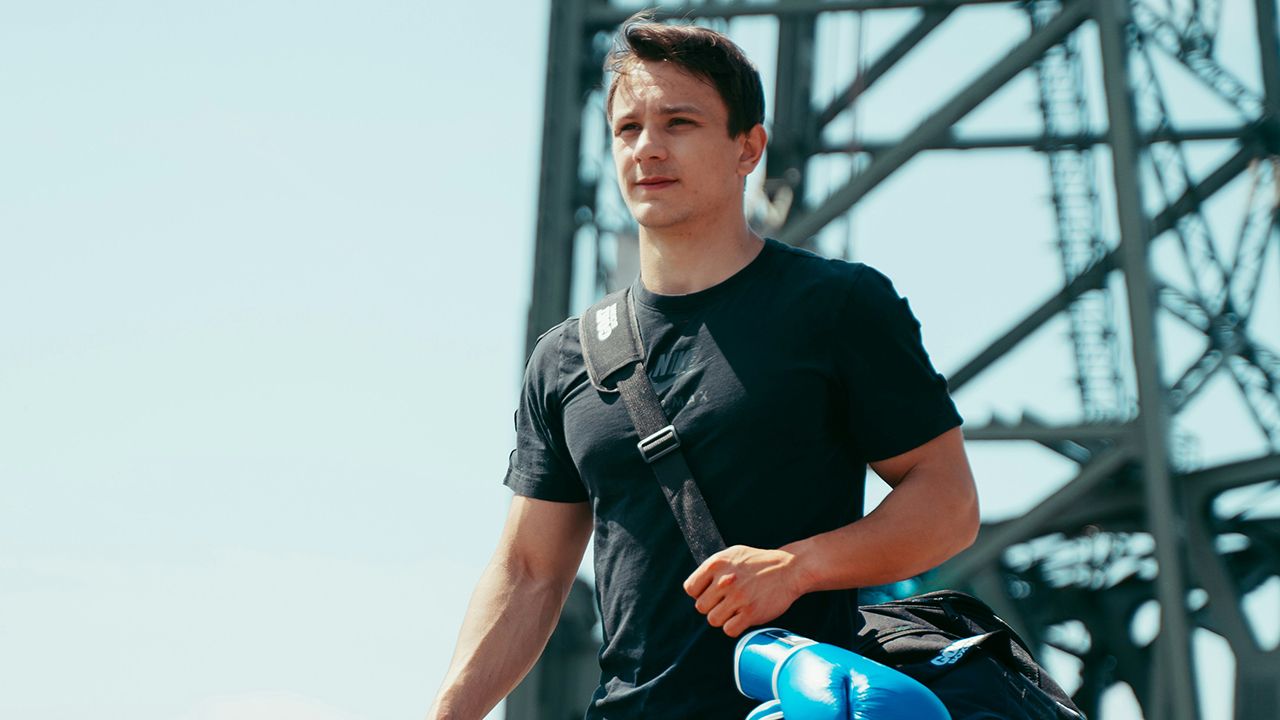
For many athletes, sport becomes their whole identity. “I’m a runner.” “I’m a sailor.” “I’m a skier.” That focus can fuel commitment — but it also carries risk. What happens if injury strikes, or retirement arrives, or results dry up?
The fragility of a single identity
When your entire sense of se...
Acceptance is often misunderstood. Athletes hear it and think it means giving up, lowering standards, or becoming passive. But in psychology, acceptance means something very different: dropping the struggle with what you can’t control, so you can fully invest in what you can.
Why resistance backfir...

Fear is one of the most common emotions in sport. Fear of losing. Fear of injury. Fear of letting people down. And yet most athletes treat fear like a weakness to be eliminated.
The problem with fighting fear
When you try to suppress fear, it grows. You spend precious energy wrestling with it inst...

Sport is full of pressure: win, perform, achieve. Under that weight, curiosity often disappears. Yet curiosity may be one of the most underrated performance skills.
Why curiosity matters
When you’re curious, you approach situations with openness: “What’s happening here? What can I learn?” That min...

Physical endurance is easy to see: the ability to keep going mile after mile. Mental endurance is harder to spot, but just as vital. It’s the ability to stay engaged, focused, and committed over long stretches — not just in one race, but across seasons and careers.
What drains mental endurance
- M ...

Comparison is part of sport. You line up against others, your times are ranked, your stats are measured. It’s natural to compare — but it can also quietly erode confidence.
The double edge of comparison
Comparison can motivate. Seeing a rival improve can push you to lift your game. But more often,...

Mistakes are inevitable in sport. A bad pass, a false start, a missed putt. What separates athletes isn’t whether they make mistakes — it’s how quickly they reset.
The danger of rumination
Some athletes get hooked. They replay the mistake, self-criticise, spiral into frustration. Performance colla...
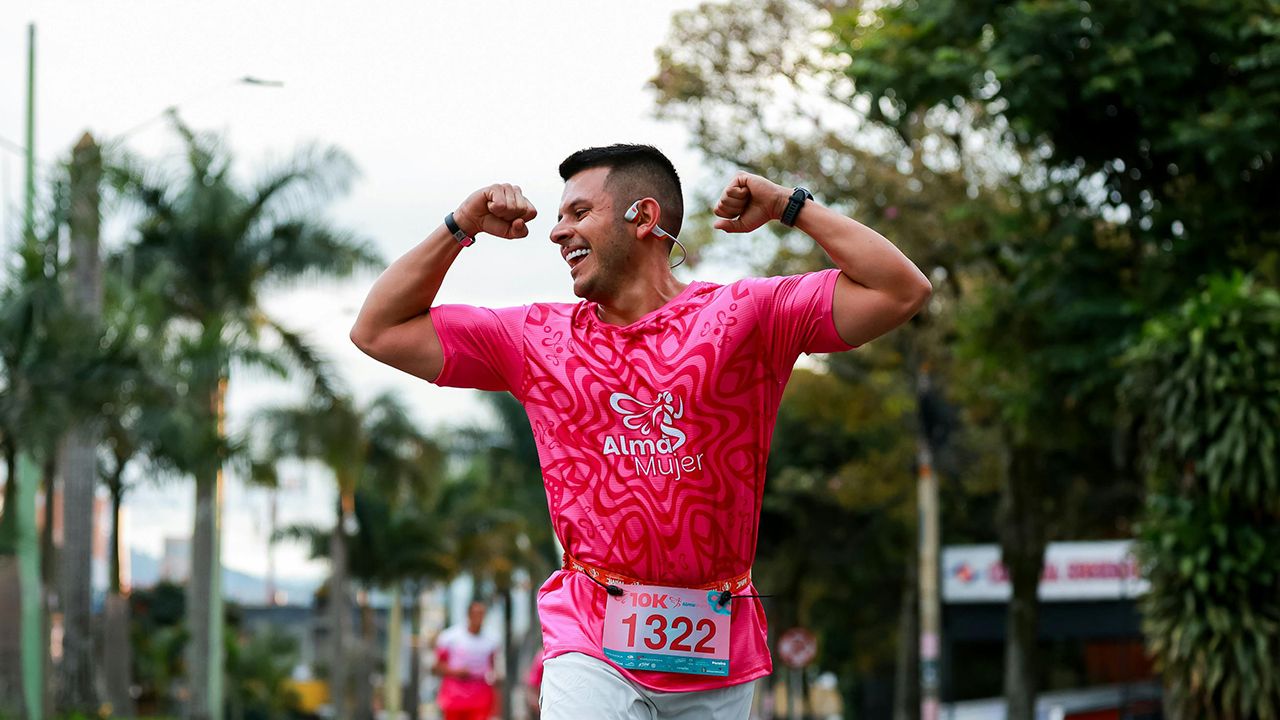
Confidence is one of the most misunderstood concepts in sport. Ask most athletes, and they’ll describe confidence as a feeling: “I know I can do it.” When they don’t feel it, they assume they’re doomed.
But confidence built on feelings is fragile. The truth is, confidence is better defined as trust...
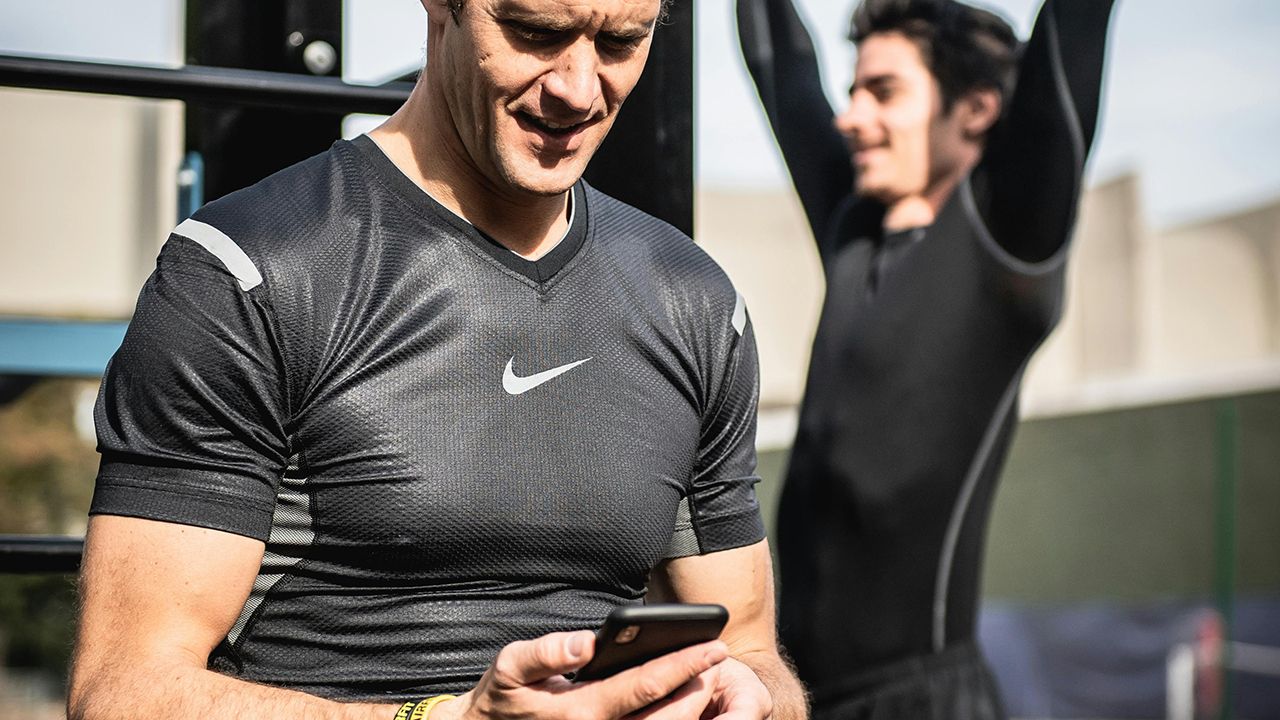
In sport, attention is everything. Where your focus goes, performance follows. Yet most athletes treat attention like a switch — it’s either on or off — when in reality, it’s a muscle. It can be trained, strengthened, and fatigued.
The challenge of wandering minds
You know the experience: your bod...
The information on this website is provided for general educational purposes only. It is not intended to replace professional medical, psychological, or clinical advice, diagnosis, or treatment. The information contained on this website should not be relied upon as a substitute for consultation with a qualified health professional. If you have concerns about your mental health or believe you may benefit from individual clinical support, please seek advice from a registered health practitioner or appropriately qualified professional. For more information, please visit the terms & conditions page.