The Role of Connection in High Performance
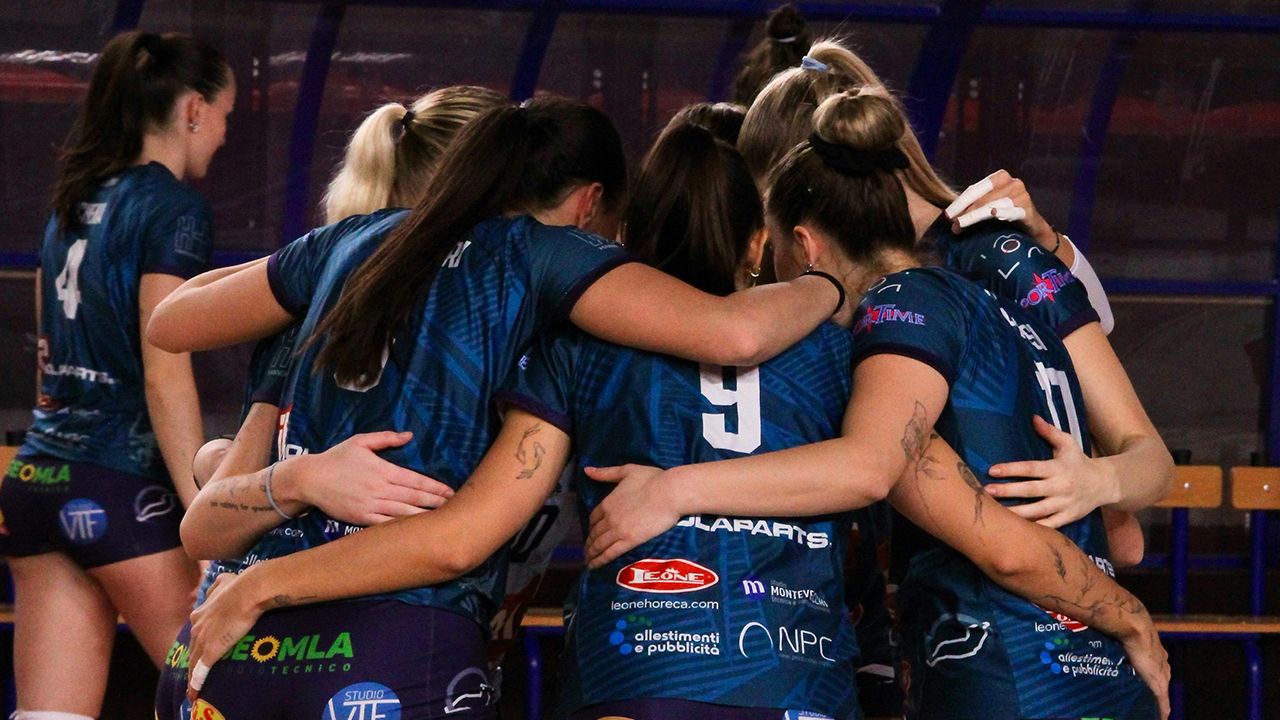
We often picture athletes as lone warriors—grinding in silence, head down, doing it all themselves. But no one performs in a vacuum. Connection isn’t just nice to have. It’s performance-critical.
Why connection matters
Humans are wired to regulate through relationships. When you feel connected—to teammates, coaches, family—your nervous system calms faster. Stress loads shrink. Focus sharpens.
ACT and connection
Flexibility means noticing when your mind tells you to isolate: “Don’t bother anyone. You’ll be judged.” Values-driven action might mean reaching out anyway, because being a connected athlete matters more than protecting your pride.
Schema barriers
Schemas can sabotage connection. “Mistrust/abuse” makes athletes see others as threats. “Defectiveness” convinces them they don’t deserve support. These patterns keep athletes alone when they most need others.
What the brain shows
Connection literally changes physiology. A reassuring word, a hand on the shoulder, a shared laugh—all release oxytocin, lower cortisol, and restore balance. That’s not fluff—it’s chemistry.
Practical reflection
- Who are your anchors—the people who help you regulate?
- How do you show up for teammates in return?
- When do you withdraw unnecessarily, and what would it mean to lean in instead?
High performance isn’t about being invulnerable. It’s about knowing when to carry pressure yourself, and when to borrow calm from connection. The strongest athletes know they don’t do it alone.
Found this article helpful? Don't miss the next one!
Join our mailing list to receive the latest tips and guides to achieving peak performance.