The Discipline of Rest
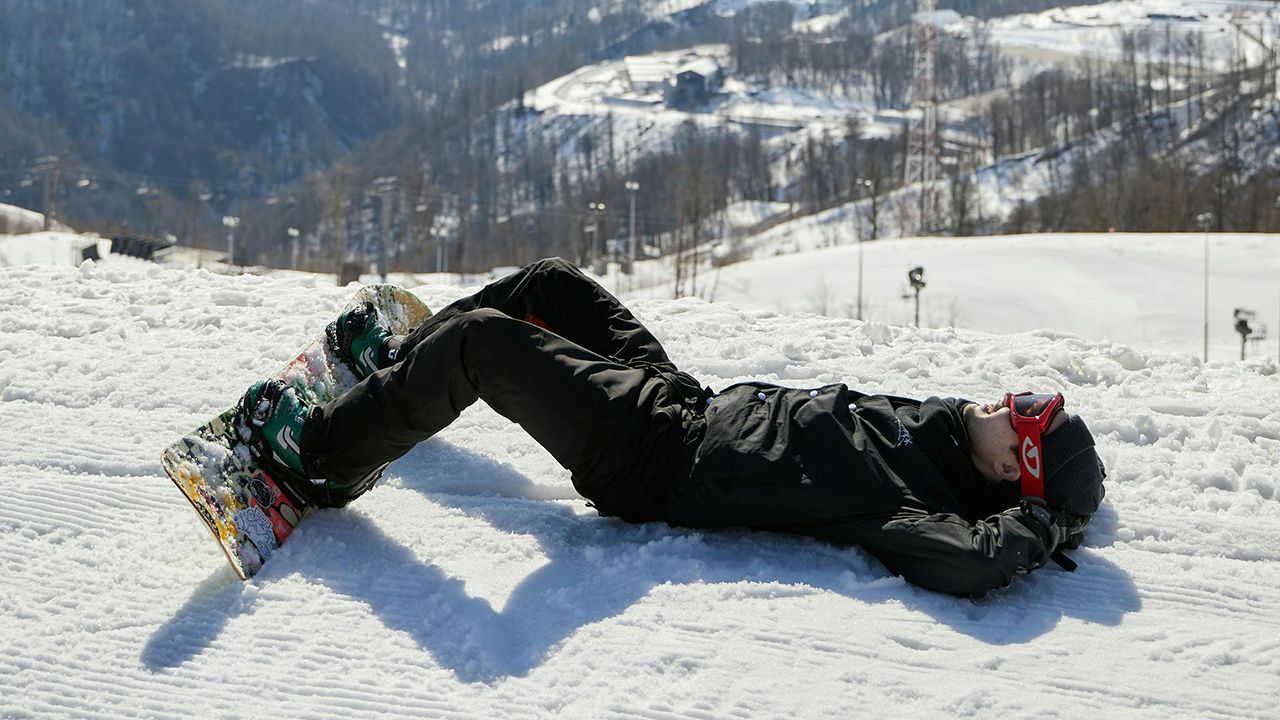
Athletes love to work. Rest? Not so much. For many, rest feels like weakness, laziness, or falling behind. Yet rest is one of the most disciplined choices you can make.
Why rest feels hard
The mind tells stories: “You’re soft if you stop.” “Others are training harder.” Those thoughts can drive endless pushing — until injury or burnout forces rest anyway.
The psychology of rest
- ACT: Rest becomes easier when it’s values-driven. You don’t rest to feel good — you rest because persistence and longevity matter. It’s committed action in service of the long game.
- Schema therapy: The “unrelenting standards” schema hates rest. It insists nothing is ever enough. Recognising that pattern helps loosen its grip.
- Brain science: Recovery is where adaptation happens. Muscles rebuild, neural pathways strengthen, memory consolidates. Without true downshifts in the nervous system, growth stalls.
How to practice rest as discipline
- Plan it. Schedule rest with the same commitment as training.
- Anchor it in values. “Resting today means honouring persistence.”
- Protect recovery rituals. Sleep, nutrition, downtime — treat them as performance essentials.
Rest is not the absence of training. It’s training in disguise. The most disciplined athletes aren’t those who never stop — they’re the ones who know when to pause.
Found this article helpful? Don't miss the next one!
Join our mailing list to receive the latest tips and guides to achieving peak performance.